
Tiji Festival in Upper Mustang Nepal: Complete Guide to the Ancient Himalayan Festival
Activities Highlights
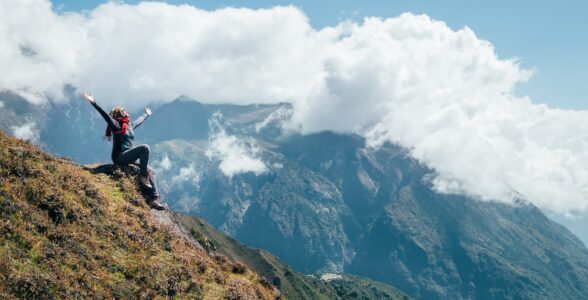
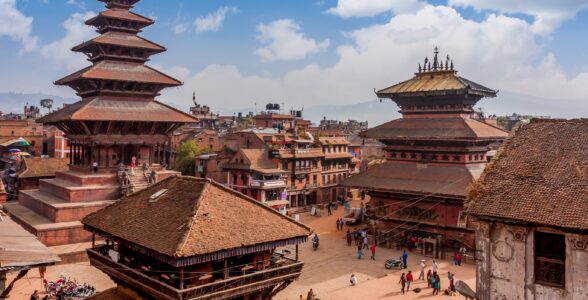
Nepal is home to many colorful cultural celebrations, but among the most mystical and unique is the Tiji Festival in Upper Mustang. Hidden behind the Himalayan rain shadow near the Tibetan border, Upper Mustang preserves one of the oldest Tibetan Buddhist cultures in the world. Every year, the ancient walled city of Lo Manthang comes alive with sacred rituals, masked dances, prayers, and celebrations during the famous Tiji Festival.
For travelers seeking an authentic festival in Nepal, the Tiji Festival offers a once-in-a-lifetime experience filled with spirituality, culture, dramatic Himalayan landscapes, and centuries-old traditions.
This detailed guide covers everything about the Tiji Festival, including its significance, history, celebrations, permits, routes, famous stops, mountain views, and travel tips.
What is the Tiji Festival?
The Tiji Festival is a three-day annual Buddhist festival celebrated in Lo Manthang, the capital of Upper Mustang in Nepal. The word “Tiji” comes from the Tibetan phrase “Tenchi”, meaning “Prayer for World Peace.”
The festival is deeply rooted in Tibetan Buddhism and represents the triumph of good over evil. It commemorates the victory of the deity Dorje Jono over a demon that caused drought, suffering, and destruction in Mustang.
Today, the Tiji Festival is not only a religious celebration but also one of the most important cultural festivals in Nepal.]
Significance of the Tiji Festival
The significance of the Tiji Festival goes far beyond celebration and entertainment. It is a sacred spiritual ceremony believed to bring peace, harmony, prosperity, and protection to the people of Mustang.
Spiritual Importance
The rituals performed during the festival are believed to:
- Remove negative energy
- Protect the land from natural disasters
- Bring rainfall and good harvests
- Promote peace and compassion
- Preserve Buddhist teachings and traditions
The local people believe that participating in the festival helps cleanse sins and create positive karma.
Cultural Importance
Upper Mustang was once an independent kingdom with strong Tibetan influence. Due to its remote location and restricted access, the region has preserved ancient traditions for centuries.
The Tiji Festival helps:
- Preserve Tibetan Buddhist culture
- Unite local communities
- Pass traditions to younger generations
- Showcase ancient Himalayan heritage to the world
Why is the Tiji Festival Celebrated?
The festival celebrates the legendary story of Dorje Jono (Vajrakila), who fought against an evil demon threatening Mustang.
According to the legend:
- The demon caused drought and water shortages
- Crops failed and people suffered
- Dorje Jono battled the demon using spiritual powers
- The demon was defeated and harmony was restored
The three days of the festival represent different chapters of this sacred story through ritual dances and ceremonies.
The celebration symbolizes:
- Victory of wisdom over ignorance
- Good over evil
- Light over darkness
- Compassion over suffering
History and Origin of the Tiji Festival
The Tiji Festival is the most auspicious and spiritually significant festival celebrated in the remote Upper Mustang region of Nepal. This ancient Buddhist festival symbolizes the victory of good over evil and is deeply connected to the traditions of Vajrayana Buddhism.
According to ancient mythology, the Mustang region was once suffering from great hardship. A powerful demon created chaos by spreading disease, causing drought, and taking away water sources from the people. The entire region faced destruction and suffering until a deity named Dorje Jono fought against the demon and defeated it.
The Tiji Festival commemorates this victory through sacred prayer chants, colorful masked dances, and elaborate Buddhist rituals performed by monks.
Who Celebrates the Tiji Festival?
The Tiji Festival is mainly celebrated by:
- The people of Upper Mustang
- Tibetan Buddhist communities
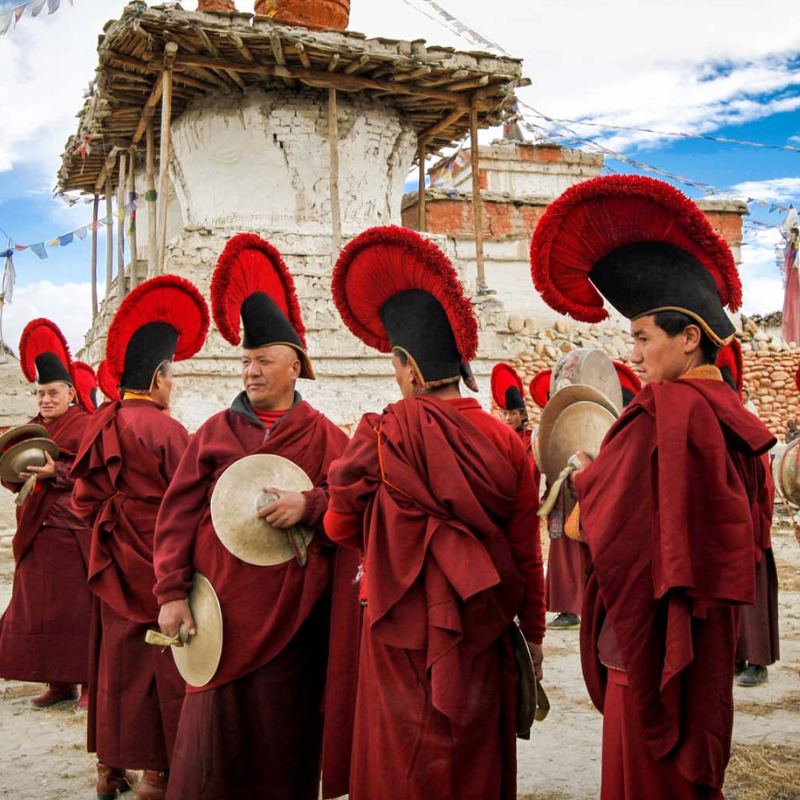
- Monks from Choede Monastery
- The former royal family of Mustang
Thousands of pilgrims, locals, trekkers, photographers, and international travelers also attend the festival every year.
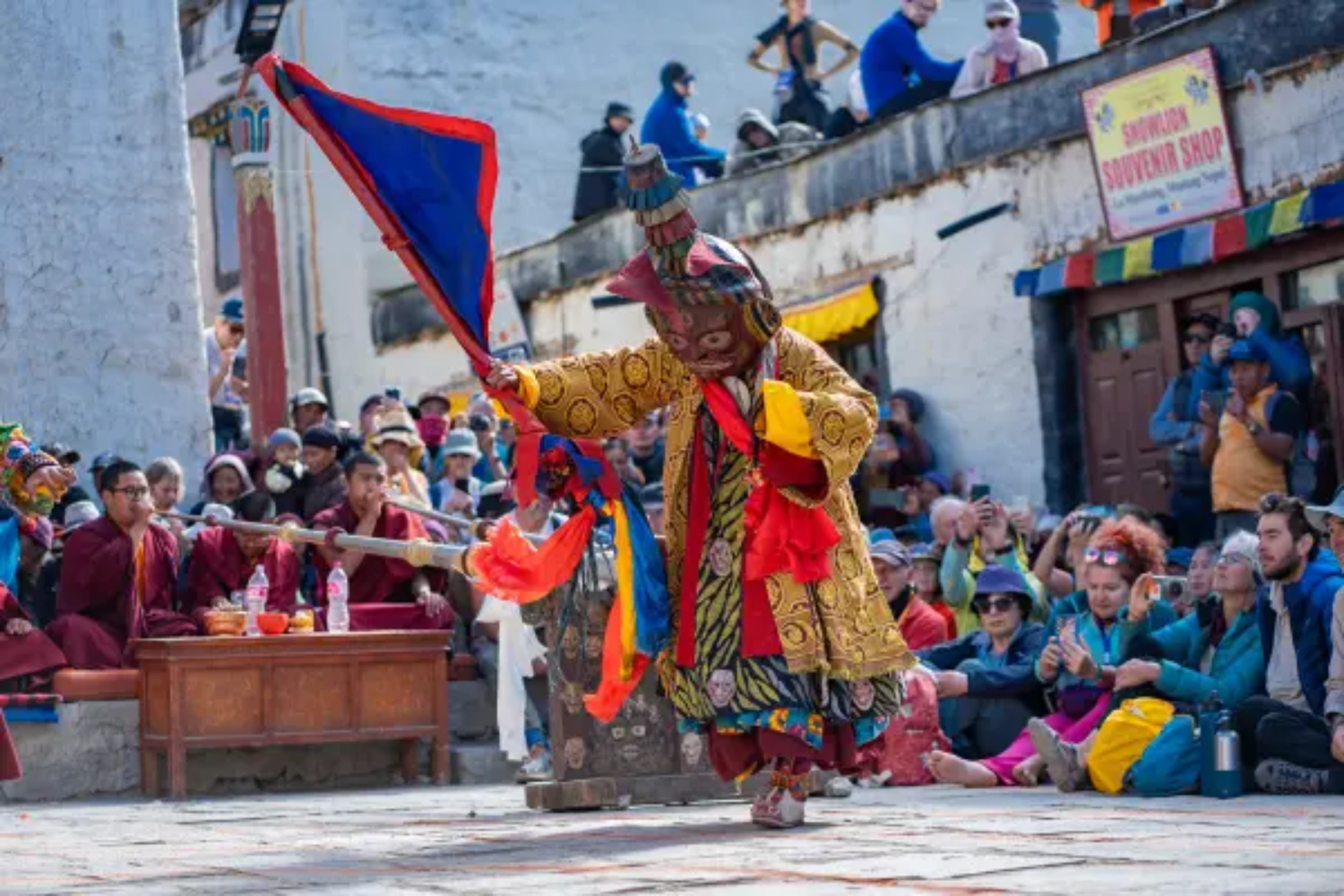
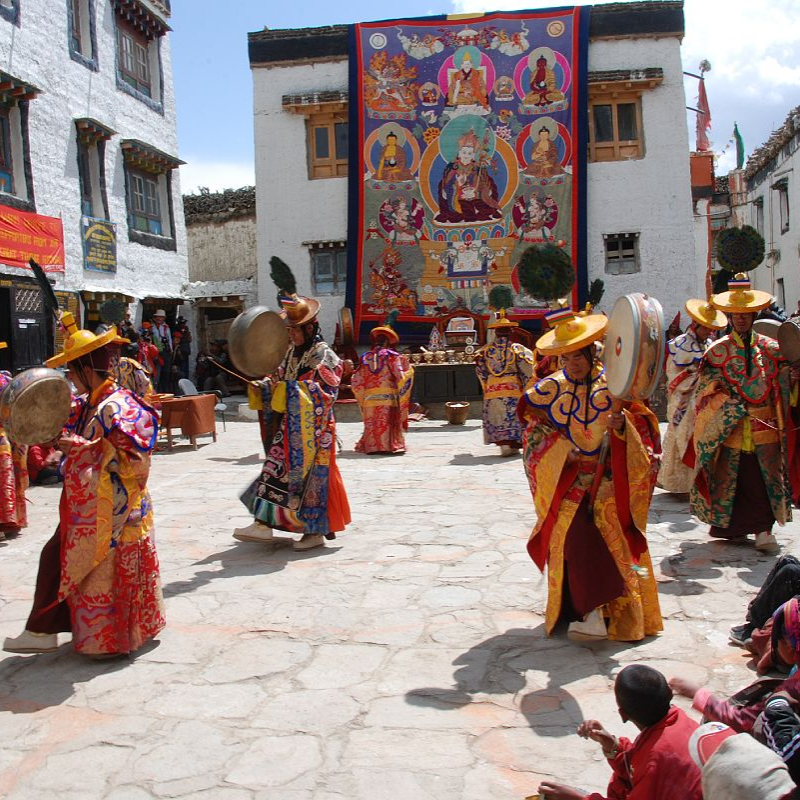
Monks dressed in colorful robes and masks perform sacred dances in the courtyard of the royal palace in Lo Manthang.
Where is the Tiji Festival Celebrated?
The Tiji Festival is celebrated in:
Lo Manthang, Upper Mustang, Nepal
Lo Manthang is a historic walled city located in the remote northern region of Nepal near the Tibetan border.
Region Highlights
- Located in Mustang District
- Elevation: around 3,840 meters
- Part of the Annapurna Conservation Area
- Former Kingdom of Lo
- Strong Tibetan cultural influence
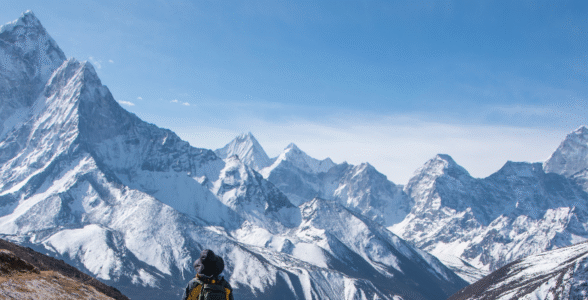
Upper Mustang lies in the rain shadow area of the Himalayas, giving it a dramatic desert-like landscape unlike other parts of Nepal.
Who is Dorje Jono?
Dorje Jono, also known as:
- Dorje Phurba
- Vajrakila
- Vajrakumar
is a powerful deity in Vajrayana Buddhism, an ancient Buddhist tradition practiced in Nepal, India, and Tibet.
The Vajrakila teachings were introduced to Tibet during the 8th century by the great Buddhist masters:
- Padmasambhava
- Vimalamitra
- Shilamnju of Nepal
Among them, Guru Padmasambhava played a major role in spreading Vajrayana Buddhism and sacred ritual dances throughout the Himalayan region.
Connection Between Tiji Festival and Chhode Monastery
Padmasambhava instructed the sacred dance rituals of Vajrakila at Samye Monastery in Tibet. Inspired by this tradition, the Chhode Monastery in Lo Manthang became famous for preserving and performing the Vajrakila rituals in Upper Mustang.
However, the Tiji Festival in Upper Mustang officially began in the 17th century when the Mustangi King Samdup Rabten invited Sakya Trizin Ngawang Kunga Sonam to Lo Manthang.
The Buddhist master stayed at Chhode Monastery and performed special Vajrakila rituals for:
- Peace and prosperity
- Wellbeing of all sentient beings
- Removal of negative energies from Mustang
Since then, monks of Chhode Monastery have continued to perform the sacred Tiji rituals every year in the courtyard of the Royal Palace of Lo Manthang.
Originally, the festival was celebrated at the end of the twelfth month of the Tibetan calendar, but today it is observed during the third Tibetan month, which usually falls in May.
Sacred Rituals and Dance Performances
One of the major highlights of the Tiji Festival is the sacred masked dance ceremony performed by monks.
The main dancer, known as Tsowo, undergoes a strict three-month spiritual retreat before participating in the festival. Members of the former Mustang royal family and villagers from all seven provinces of Upper Mustang, known collectively as Lo Chhodun, gather to witness the sacred celebration.
In the local Mustangi dialect, the festival is pronounced as Tiji or Tenchi.
The dance rituals are based on meditation practices connected to the Tantra teachings of Vajra Kumar (Vajrakila).
Three Stages of the Tiji Dance Ritual
The sacred dance ceremony consists of several symbolic stages representing spiritual transformation and purification.
1. Preliminary Stage
The opening section contains 15 ritual dance steps symbolizing peaceful meditation practices and spiritual preparation.
2. Main Ritual Stage
This phase depicts:
- The generation of celestial palaces
- Manifestation of Buddhist deities
- Subjugation of negative energies and evil forces
This dramatic section is known as the Mele stage.
3. Concluding Stage
The final section symbolizes:
- Removal of ignorance and negativity
- Destruction of harmful thoughts
- Blessings for peace and prosperity
Every movement, gesture, and pose in the dance represents deeper Buddhist meditation processes. Local people believe that witnessing the dances with faith and devotion helps remove obstacles and suffering from life.
Best Time to Visit Tiji Festival
The Tiji Festival usually takes place in May, according to the Tibetan lunar calendar. Dates vary each year.
May is also one of the best seasons for Upper Mustang travel because:
- Weather is stable
- Clear mountain views
- Comfortable trekking temperatures
- Dry climate in Mustang region
Tiji Festival tours are highly popular and sell out quickly.
Why Tiji Festival is One of the Best Festivals in Nepal
The Tiji Festival is more than a celebration — it is a spiritual journey into the heart of Himalayan Buddhism and Tibetan culture.
Unlike crowded city festivals, the Tiji Festival offers:
- Authentic traditions
- Ancient rituals
- Himalayan adventure
- Remote desert landscapes
- Deep spiritual atmosphere
For travelers looking for a truly unique festival in Nepal, the Tiji Festival in Upper Mustang is one of the most unforgettable cultural experiences in the Himalayas.
Final Thoughts
The Tiji Festival in Upper Mustang Nepal is a remarkable blend of spirituality, history, culture, and adventure. From sacred masked dances to breathtaking Himalayan scenery, every moment of the journey feels extraordinary.
Whether you choose a trekking adventure or a jeep tour, visiting the Tiji Festival allows you to witness one of the world’s last preserved Tibetan Buddhist cultures in its purest form.
If you are planning to explore Nepal beyond Everest and Annapurna, the Tiji Festival should absolutely be on your bucket list. Contact us today