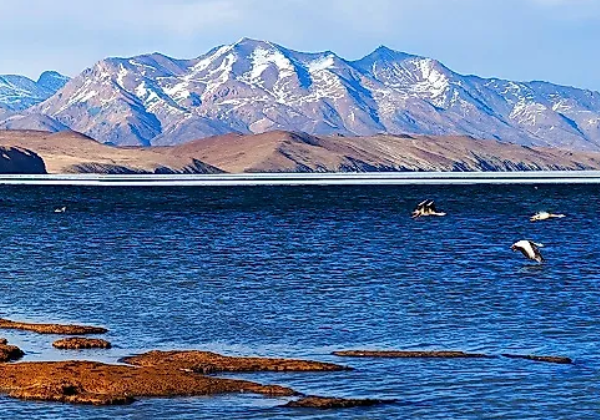
Mansarovar is not just a lake—it is a symbol of purity, divinity, and inner transformation. Located in the remote Tibetan Plateau near Mount Kailash, this lake sits at an altitude of around 4,590 meters, making it one of the highest freshwater lakes in the world.
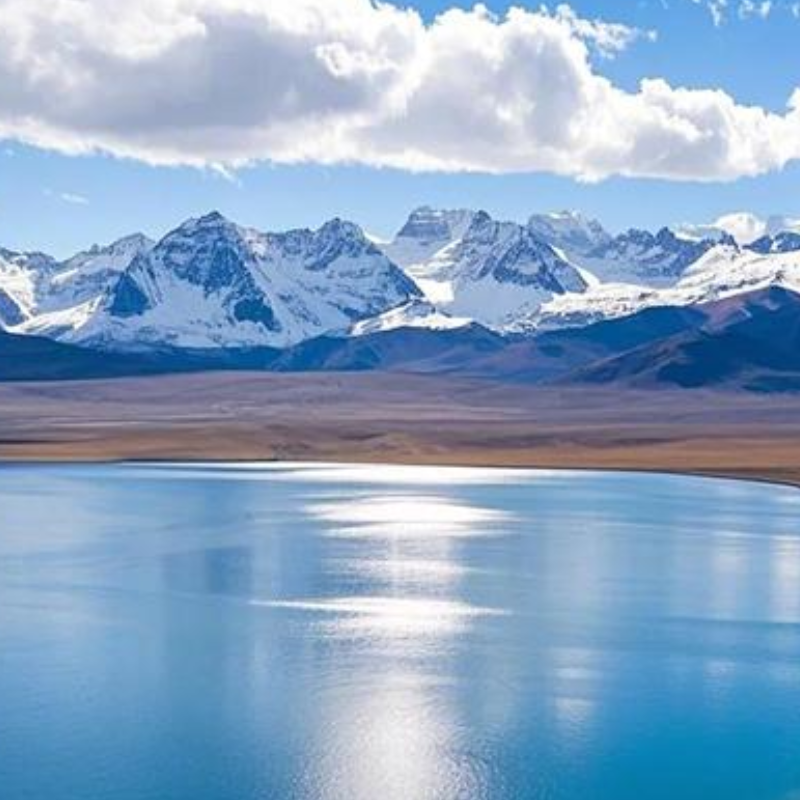
Its crystal-clear waters reflect the surrounding snow-covered peaks like a mirror, creating a surreal and almost mystical landscape. For centuries, pilgrims undertaking the Kailash Mansarovarjourney have described it as a place where nature and spirituality merge.
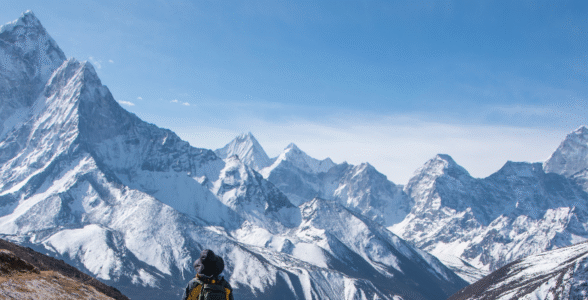
Sunlight shimmers across the pristine waters of Lake Mansarovar, framed by majestic snow-covered Himalayan peaks.
2. Spiritual Importance of Kailash Mansarovar
The Kailash Mansarovar region holds sacred value across multiple religions:
Hinduism: Believed to be created by Lord Brahma, the lake represents purity and divine consciousness.
Buddhism: Associated with Queen Maya, who is believed to have bathed here before giving birth to Buddha.
Jainism: Linked to enlightenment of the first Tirthankara.
Bon Religion: Considered a center of spiritual power and cosmic balance.
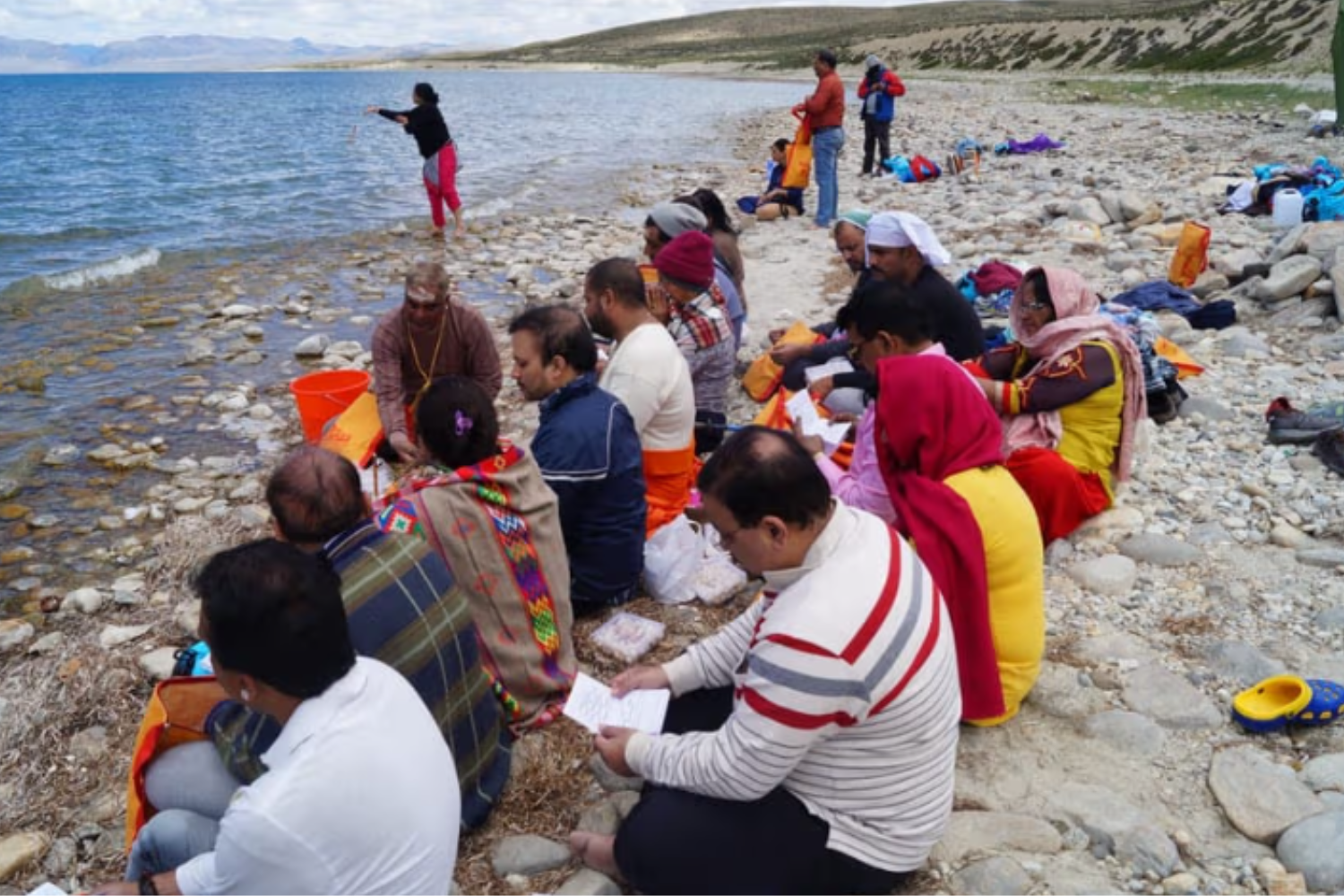
Pilgrims believe that bathing in mansarovar or even touching its water cleanses sins accumulated over lifetimes.
3. Geography and Key Facts About Mansarovar
Location: Burang County, Tibet (China)
Altitude: ~4,583–4,590 meters
Area: ~412 sq. km
Depth: Over 70 meters
Nearby Lake:Rakshas Tal
Mansarovar is also believed to be the source of major rivers like the Brahmaputra, Sutlej and Karnali—making it geographically as important as it is spiritually. The lake lies approximately 450 km from Saga and around 590 km from Kerung (Gyirong), making these two the primary overland access points for the Kailash Mansarovar Journey. From Mansarovar, the distance to Darchen—the base camp for Mount Kailash—is about 40 km, which is usually covered by road before beginning the sacred kora (parikrama).
4. The Mystical Beauty of Mansarovar
One of the most fascinating aspects of mansarovar is its changing colors. Depending on sunlight, the lake shifts from deep blue to turquoise and even green.
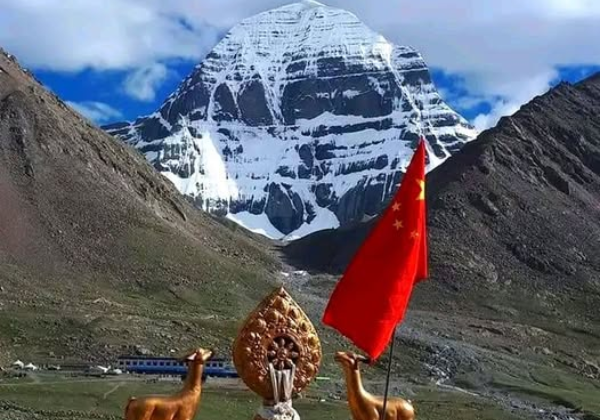
At sunrise and sunset, the reflections of Mount Kailash create a breathtaking view that many travelers consider life-changing.
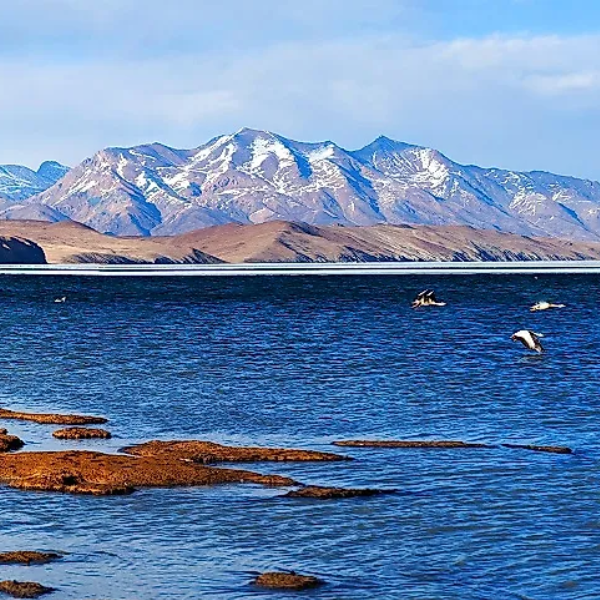
Wildlife such as Tibetan yaks, antelopes, and wild donkeys can often be seen around the lake, adding to its raw natural charm.
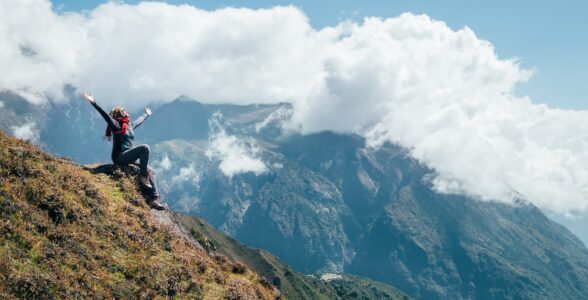
A picturesque scene of Mansarovar Lake, surrounded by snow-covered mountains in the Tibetan plateau.
5. Kailash Mansarovar Yatra Experience
The Kailash Mansarovar Yatra is one of the most revered pilgrimages in the world. It typically includes:
Holy dip in mansarovar
Parikrama (kora) around the lake (~90–100 km)
Trek around Mount Kailash (~52 km)
Pilgrims believe that completing the kora brings spiritual liberation and fulfillment of wishes.
6. Monasteries Around Mansarovar
Several ancient monasteries surround mansarovar, enhancing its spiritual aura:
Chiu Monastery – Offers panoramic views
Seralung Monastery – Ideal for meditation
Trugo Monastery – Known for sunrise views
Gossul Monastery – शांत and remote
These monasteries serve as rest stops and spiritual centers during the kailash mansarovar journey.
7. Legends and Myths of Mansarovar
Mansarovar is deeply rooted in mythology created from the mind (manas) of Lord Brahma
Considered the center of the universe in Buddhist cosmology
Said to host divine beings, celestial swans, and even golden fish
Ancient poet Kalidasa described its waters as “pure like pearls” that wash away sins of lifetimes.
8. Best Time to Visit Kailash Mansarovar
The best time to visit mansarovar is from May to September:
May–June: Clear skies and ideal conditions
July–August: Slight rain but higher oxygen levels
September: Fewer crowds and stunning visibility
A major highlight is the Saga Dawa Festival, which celebrates Buddha’s life events.
9. How to Reach Mansarovar
You can reach mansarovar through multiple routes:
Via Nepal
From Kathmandu, travel overland via Gyirong or take helicopter routes.
Via Tibet
Travel from Lhasa by road or flight to Ngari Gunsa Airport.
Overland Journey
A 15-day यात्रा covering Tibet’s stunning landscapes and Everest region.
10. Essential Travel Tips for Mansarovar
Preparation is key for kailash mansarovar:
Carry layered warm clothing
Prepare for altitude sickness
Bring energy snacks and medicines
Arrange permits in advance
Stay hydrated
Accommodation ranges from basic guesthouses to hotels in Darchen, the base town near mansarovar.
Final Thoughts on Mansarovar
Mansarovar is more than a destination—it is a journey into spiritual depth. Whether you seek divine blessings, adventure, or peace, the kailash mansarovar experience offers something truly transformative.
From its sacred waters to the towering presence of Mount Kailash, every moment here feels timeless.
If you are planning this journey, approach it with preparation, respect, and an open mind—the rewards are unforgettable.