
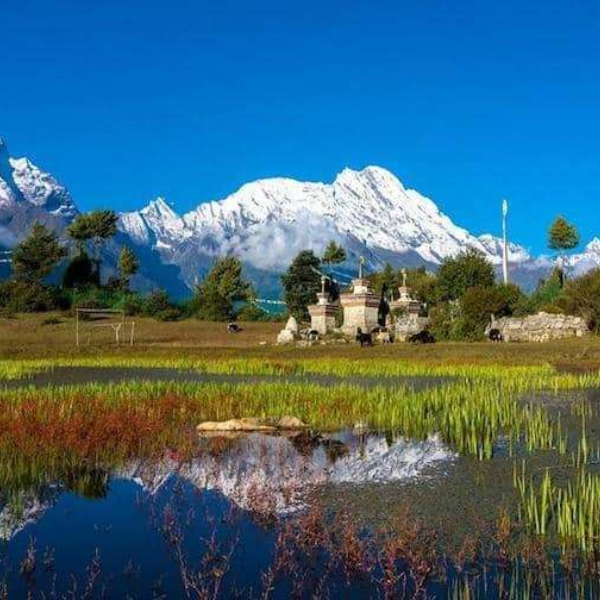
Kyirong / Kerung: The Hidden Himalayan Gateway Between Nepal and Tibet

Activities Highlights



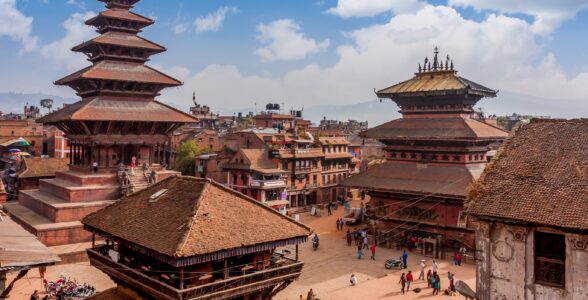
Introduction: Kyirong Village, the True Gateway to Tibet
Kyirong Village is one of the most important and scenic border settlements in the entire Himalayan region. Known as Kyirong Village, Kerung, or Gyirong, this unique settlement serves as the main entry point from Nepal into Tibet. Kyirong Village has become the most significant overland gateway connecting Nepal with the Tibet Autonomous Region of China.
Kyirong Village is not just a border town—it is the first breath of Tibet for travelers entering from Nepal. Located near the Rasuwagadhi border, Kyirong Village has transformed from a quiet Himalayan settlement into a major travel, trade, and pilgrimage hub. Today, Kyirong Village is widely recognized as the most important Nepal–Tibet gateway, especially for overland journeys and the sacred Kailash Mansarovar Yatra.
A Village of Many Names and One Identity
Kyirong, meaning “pleasant village” in Tibetan, sits in the southern part of Gyirong County at an elevation of around 2,700 meters. This relatively low altitude makes it unique in Tibet, offering more oxygen and a noticeably milder climate.
Located on the east bank of the Kyirong Tsangpo (a tributary of the Trishuli River), the town lies just 25 kilometers north of the Nepal border at Rasuwagadhi and about 174 kilometers from Kathmandu.
Yet, Kyirong is not defined by coordinates alone—it’s defined by experience.
Location and Geography of Kyirong Village
A Strategic Border Village with Deep Roots
Kyirong sits just about 24–25 km from the Nepal border at Rasuwagadhi and around 174 km from Kathmandu. Positioned at an altitude of about 2,700 meters on the east bank of the Kyirong Tsangpo (a tributary of the Trishuli River), it is one of the lowest and most accessible towns in Tibet.
Historically, Kyirong has been a key segment of trans-Himalayan trade routes for centuries, later becoming an official port of entry in 1961. Today, it has evolved into a fully functioning international border hub connecting Nepal and China.
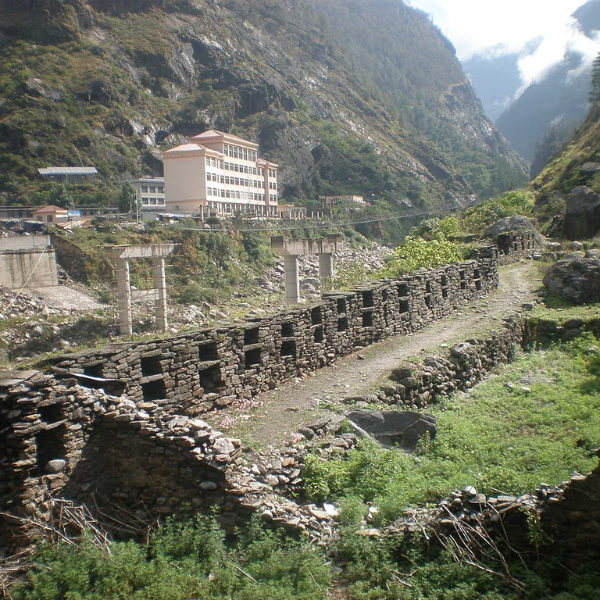
Kyirong Village: The Gateway in Detail
As described in modern travel accounts, Kyirong Village is the first settlement travelers encounter when entering Tibet from Nepal—and the last when exiting.
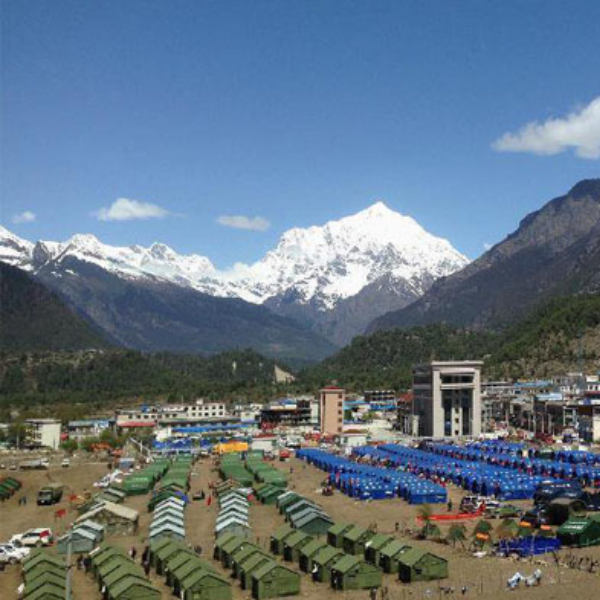
The village sits quietly in the Gyirong Valley, surrounded by dense forests of pine and spruce, with snow-covered peaks rising above in all directions. Despite its remote setting, it has gradually developed into a small but important town.
Key features of Kyirong Village include:
- A compact settlement with hotels, guesthouses, and basic infrastructure
- A clean main road running through the town with limited side streets
- Scenic surroundings that remain largely untouched despite modernization
- A peaceful atmosphere that contrasts sharply with its strategic importance
The town now offers a range of accommodation, including mid-range hotels like Gyirong Shengtai Hotel and budget-friendly hostels such as Hand & Hand International Hostel. Restaurants serve Tibetan, Nepali, and Chinese cuisine, catering to both pilgrims and travelers.
Gateway to Kailash Mansarovar
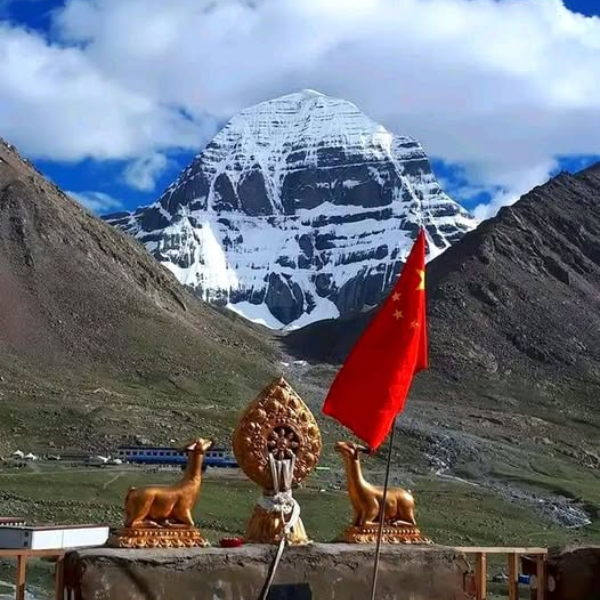
One of the most important roles of Kyirong Village is its connection to the sacred Kailash Mansarovar Yatra. Kyirong Village is the main entry and acclimatization point for pilgrims traveling to Mount Kailash and Lake Manasarovar.
Most pilgrims on the Kailash Mansarovar Yatra spend their first night in Kyirong Village after crossing from Nepal. This is extremely important because Kyirong Village sits at a moderate altitude, allowing travelers to acclimatize before ascending to higher regions of Tibet.
From Kyirong Village, the journey continues toward Saga, Lake Manasarovar, and Mount Kailash. For many pilgrims, Kyirong Village is the spiritual threshold where the journey toward the divine begins.
Kyirong Village is therefore not just a border town—it is a sacred gateway for thousands of devotees undertaking the Kailash Mansarovar pilgrimage each year.
A Place to Pause and Breathe
Even for non-pilgrims, Kyirong offers a vital pause.
Travelers heading deeper into Tibet often spend their first night here to adjust to altitude. The town now provides comfortable hotels, guesthouses, and restaurants offering Tibetan, Chinese, and Nepali cuisine.
Despite growing development, Kyirong retains a peaceful, small-town charm that invites rest and reflection.
Culture, History, and Living Heritage
Kyirong Village has a deep cultural and historical significance. For centuries, Kyirong Village has been a major trade route between Nepal and Tibet, forming part of ancient Himalayan exchange networks.
Kyirong Village is home to a mix of Tibetan and Nepali communities, including the Daman people, descendants of Gurkha soldiers who settled in the region generations ago.
Near Kyirong Village lies the ancient Qiangdui Monastery, believed to be over 1,300 years old. This monastery reflects the deep spiritual heritage of Kyirong Village and its long-standing Buddhist traditions.
Kyirong Village has also been mentioned in historical records linked to ancient trade routes and diplomatic missions passing through the Himalayas.
Between Past and Future
Today, Kyirong Village has rapidly developed into a modern border town. After becoming an international crossing point in 2017, Kyirong Village now serves as a major hub for tourism and trade.
Kyirong Village offers:
- Hotels and guesthouses
- Tibetan, Nepali, and Chinese restaurants
- Basic banking and travel facilities
- Transport services for Tibet overland tours
Despite modernization, Kyirong Village still retains its natural charm and peaceful atmosphere. Travelers often find Kyirong Village to be a refreshing and scenic first stop in Tibet.