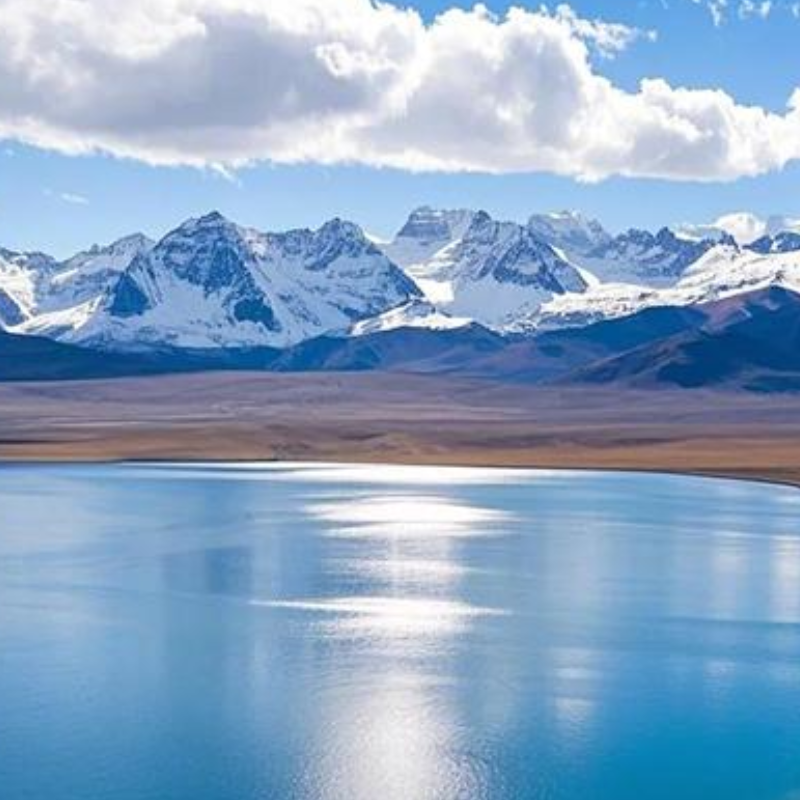
The journey to Kailash Mansarovar is not just spiritually profound—it is physically demanding due to its extreme high altitude of over 5,500 meters. At such elevations, oxygen levels drop significantly, and the air becomes thinner, making even simple movements feel exhausting. Many travelers underestimate how drastically the body reacts to such conditions, especially if they are coming from low-altitude regions.
In addition to low oxygen levels, the climate in this region near Mount Kailash is harsh and unpredictable. Temperatures can fluctuate dramatically within a single day, with bright sunshine quickly turning into freezing winds. The remoteness of the area means limited access to advanced medical facilities, making prevention and preparation far more important than treatment.
This is why focusing on health & safety during high-altitude travel in Kailash Mansarovar is essential for every pilgrim. The journey is not just about reaching a destination—it is about sustaining your physical well-being so you can fully experience the spiritual depth of the Yatra. With the right precautions, awareness, and discipline, you can minimize risks and make your pilgrimage both safe and deeply fulfilling.
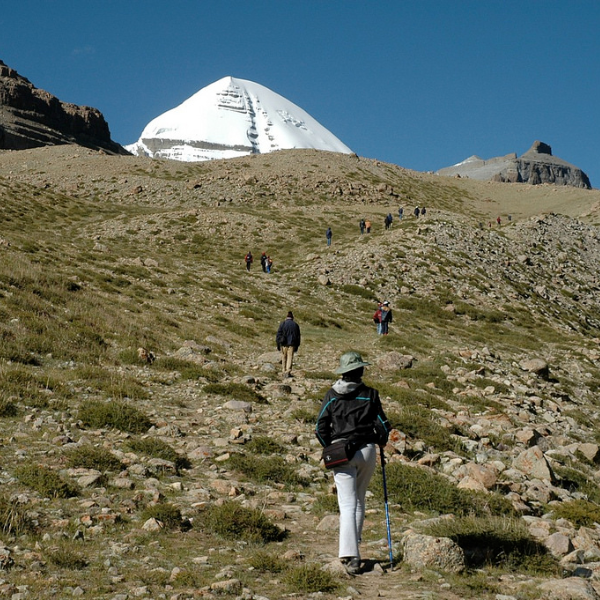
Below are the most important health & safety tips for high-altitude Kailash Mansarovar travel:
1. Health & Safety Tip: Acclimatize Gradually at High Altitude in Kailash
Acclimatization is the foundation of safe high-altitude travel. When you ascend too quickly, your body doesn’t get enough time to adapt to lower oxygen levels, increasing the risk of altitude sickness. Spend extra days at intermediate stops like Saga or Darchen before reaching higher points. During this time, avoid heavy physical activity and allow your body to adjust naturally. Proper acclimatization significantly improves oxygen efficiency in your body and is one of the most effective health and safety strategies for Kailash Mansarovar Yatra.
2. Health & Safety Tip: Stay Hydrated in High-Altitude Kailash Conditions
At high altitudes, your body loses fluids more quickly due to increased respiration and dry air. Dehydration can worsen symptoms like headaches, fatigue, and dizziness. Make it a habit to drink water regularly, even if you don’t feel thirsty. Warm fluids such as herbal tea, soups, and hot water are especially beneficial in cold conditions. Maintaining hydration supports circulation and helps your body function efficiently, making it a key part of high-altitude health and safety in Kailash.
3. Health & Safety Tip: Recognize High-Altitude Sickness Symptoms Early
Awareness is critical when traveling at high altitudes. Common symptoms such as persistent headaches, nausea, dizziness, shortness of breath, and loss of appetite should not be ignored. These may indicate Acute Mountain Sickness, which can worsen if untreated. Early recognition allows timely intervention, such as rest or descent. Always communicate your condition to your guide or fellow travelers—this simple step can prevent serious complications and ensure safe high-altitude travel in Kailash Mansarovar.
4. Health & Safety Tip: Carry Medicines for High-Altitude Kailash Travel
Since medical facilities are scarce in remote Himalayan regions, carrying a personal medical kit is essential. Include prescribed altitude sickness medication, pain relievers, anti-nausea tablets, ORS packets, and basic first aid supplies. If you have pre-existing conditions, carry necessary prescriptions and consult your doctor before the journey. Being medically prepared ensures that you can handle minor health issues effectively and maintain health and safety in Kailash Mansarovar Yatra.
5. Health & Safety Tip: Wear Layered Clothing in Kailash High Altitude
The weather in the Kailash region can be extremely unpredictable. Mornings may be sunny, while evenings can become freezing cold with strong winds. Dressing in layers allows you to adjust according to temperature changes. Start with thermal innerwear, add insulating layers like fleece, and finish with a windproof and waterproof outer layer. Accessories like gloves, woolen caps, and scarves are equally important. Proper clothing protects you from cold-related illnesses and is a vital component of high-altitude travel safety in Kailash.
6. Health & Safety Tip: Maintain Proper Nutrition at High Altitude in Kailash
Your body requires more energy at high altitudes, but digestion becomes slower. Heavy and oily foods can cause discomfort and reduce energy levels. Instead, focus on light, warm, and nutritious meals such as soups, khichdi, boiled vegetables, and dry fruits. Carbohydrate-rich foods provide quick energy, while warm meals help maintain body temperature. Good nutrition supports stamina and is essential for maintaining health and safety during high-altitude travel in Kailash Mansarovar.
7. Health & Safety Tip: Avoid Alcohol & Overexertion in Kailash High Altitude
Alcohol and smoking can significantly reduce your body’s ability to absorb oxygen, increasing the risk of altitude sickness. It is strongly advised to avoid these completely during the journey. Additionally, do not overexert yourself. Walk at a steady pace, take frequent breaks, and conserve your energy—especially during the Kailash parikrama. Managing your energy wisely is a key principle of high-altitude health and safety in Kailash travel.
8. Health & Safety Tip: Listen to Your Body During Kailash High-Altitude Journey
Perhaps the most important rule of all is to listen to your body. Fatigue, breathlessness, or discomfort are signals that you need rest. Ignoring these signs can lead to serious health risks. Do not hesitate to pause, hydrate, or seek help if needed. Every individual adapts differently to high altitude, so avoid comparing yourself with others. Respecting your physical limits ensures not only safety but also a more meaningful and spiritually enriching experience.